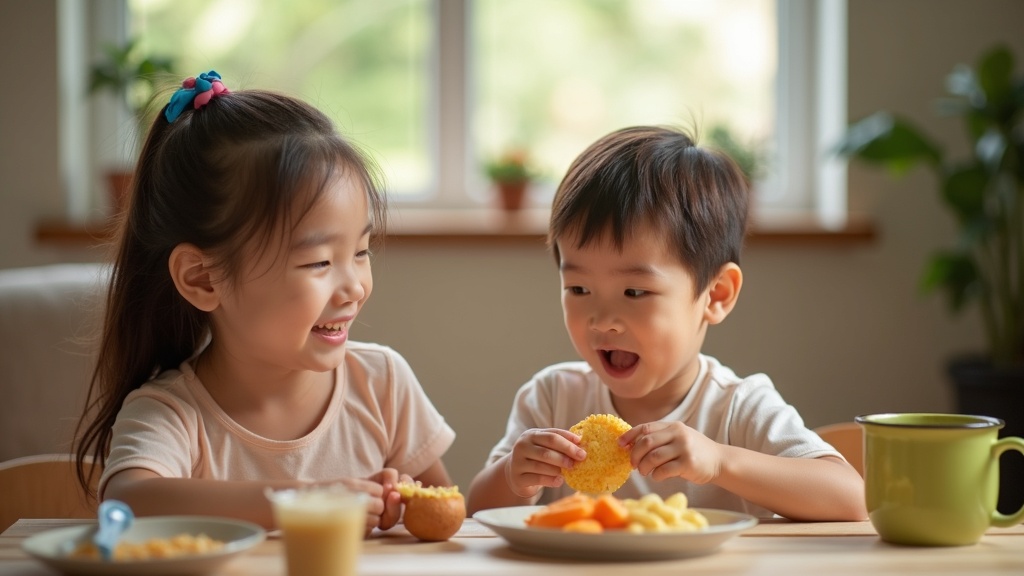
Picky Eater Tactics That Actually Work for Singapore Toddlers
If you’re a parent in Singapore, you know the scene well: a steaming bowl of rice and curry sits on the high chair tray, and your toddler takes one look before pushing it away with a decisive “No!” Sound familiar?
Picky eating is one of the most frustrating—and normalest—phases of toddlerhood. Between ages 2 and 5, many children become suspicious of new foods, prefer familiar flavours, and suddenly decide that yesterday’s favourite vegetable is now “yucky.” It’s developmentally normal, but it doesn’t make mealtimes any less stressful.
The good news? There are strategies that actually work, and many of them are especially effective when applied to our local food culture. Let’s talk about tactics that go beyond just “eat your vegetables.”
Start with the Division of Responsibility
One of the most powerful shifts you can make is to stop viewing mealtimes as a battle you need to win. Instead, use what child feeding expert Ellyn Satter calls the “Division of Responsibility.”
Here’s how it works:
Your job as the parent: Decide what foods are offered, when meals happen, and where you eat.
Your child’s job: Decide whether to eat and how much to eat.
This might feel counterintuitive—aren’t you supposed to make sure they eat?—but research consistently shows that when parents relax their grip and trust children to self-regulate, picky eating actually improves over time.
Instead of “Finish your bak chor mee,” try: “I’ve made bak chor mee today. You can eat as much or as little as you’d like.” Then step back.
This removes the power struggle and helps children reconnect with their own hunger and fullness cues—something many adults have lost.
Use Familiar Local Foods as Your Anchor
One advantage we have in Singapore is a rich tapestry of comfort foods that feel homey and familiar to our kids. Instead of forcing broccoli on a resistant toddler, start with foods your family already enjoys.
Think about it: if your child already loves chicken porridge, that’s your anchor. Build from there.
Practical examples:
- Chicken porridge → add finely shredded vegetables mixed into the porridge itself (your toddler may not notice)
- Minced meat dishes (like bak chor mee or mince on rice) → a vehicle for hidden veggies
- Curry with soft vegetables → familiarity + nutrition
- Beancurd (tofu) dishes → already soft, familiar texture
The key is not to abandon the foods your child knows. Use them as stepping stones to expand their palate gradually.
The Repeated Exposure Rule: 15–20 Times
You’ve probably heard that kids need to be exposed to a new food multiple times before they’ll try it. The research backs this up: studies suggest it takes 10–20+ exposures to a new food before a child will willingly taste it, and many more before they’ll accept it.
But here’s the crucial part: exposure doesn’t mean they have to eat it.
Try this instead:
- Serve the new food alongside familiar foods (never force the “try one bite” rule).
- Eat and enjoy the new food yourself—visibly and enthusiastically.
- Keep serving it regularly without comment or pressure.
- Accept that acceptance might take months.
For example, if you’re trying to introduce bittergourd to a reluctant toddler, serve it regularly at family meals. Eat it yourself. Let them watch. Don’t expect them to try it for weeks. Then one day—often unexpectedly—they might ask for a tiny taste.
Make Mealtimes Social, Not a Performance
Toddlers are more likely to eat when mealtimes are relaxed and social. Sit together. Eat the same food (or similar). Have conversations. Make it about connection, not consumption.
Avoid:
- Praising them for eating (“Good boy, you finished your greens!”)
- Bribing with dessert (“Finish your rice, then you get ice cream”)
- Commentary on how much they’re eating
- Pressure or negotiation
These tactics backfire because they reinforce the idea that eating is something you do to please adults, not something you do because you’re hungry.
Instead, focus on the meal as a family moment. In Singaporean culture, mealtime is often sacred—let it be that without the added pressure.
Offer a “Safe Food” at Every Meal
Make sure there’s always something at the table you know your child will eat. This might be plain rice, bread, or a protein they prefer. This removes the anxiety (theirs and yours) that they’ll go hungry.
When children know there’s something safe available, they’re often more willing to explore other foods on the table without pressure.
Involve Them in Food Preparation
Children who help prepare food are more likely to eat it. This doesn’t require much:
- Let them help rinse rice
- Ask them to tear lettuce or herbs
- Let them stir ingredients
- Bring them to the market and let them choose a vegetable
In Singapore’s food culture, cooking is often a family affair. Use this. Even a 2-year-old can participate in age-appropriate ways, and involvement builds interest.
When to Worry (And When Not To)
Picky eating is normal. But if your child:
- Is losing weight
- Seems lethargic or unwell
- Only eats 5 or fewer foods
- Gags or vomits at the sight of certain foods
- Shows signs of nutritional deficiency
…then it’s time to talk to your paediatrician or a feeding specialist.
For typical picky eating? Patience and consistency work. Most children grow out of it.
The Bottom Line
Picky eating doesn’t mean you’re failing as a parent. It means your toddler is developing independence and learning to communicate preferences—which is actually a good sign. Your job is to provide nutritious options, model healthy eating, and trust that your child’s body knows what it needs.
Relax. Serve the food. Step back. The battles you avoid now will save everyone stress later.
What’s your biggest mealtime challenge with your toddler? Share in the comments—we’d love to hear what you’re navigating and what’s worked for your family.

Bro Daddy
I am Bro Daddy!
Note
Disclaimer: The views expressed and the content shared in all published articles on this website are solely those of the respective authors, and they do not necessarily reflect the views of the author’s employer or the platform. We strive to ensure the accuracy and validity of the content published on our website. However, we cannot guarantee the absolute correctness or completeness of the information provided. It is the responsibility of the readers and users of this website to verify the accuracy and appropriateness of any information or opinions expressed within the articles. If you come across any content that you believe to be incorrect or invalid, please contact us immediately so that we can address the issue promptly.