Primary 1 Readiness Checklist: What Singapore Schools Expect (and How to Prepare at Home)
The transition to Primary 1 is a big milestone—for your child and for you. If your little one is turning seven soon, you’re probably wondering: Is she ready? What exactly will the teachers expect? What can I do right now to set her up for success?
Take a breath. This checklist breaks down what Singapore schools actually look for and gives you practical, doable ways to prepare at home. No pressure, no perfectionism—just real steps that make a difference.
What Singapore Primary Schools Actually Expect
Singapore’s Primary 1 curriculum is structured and purposeful. The Ministry of Education focuses on literacy, numeracy, and character development from day one. But before your child learns to read fluently or count to 100, teachers are looking for something more fundamental: readiness skills.
Readiness isn’t about knowing your ABCs or counting to 20. It’s about independence, focus, emotional regulation, and the ability to follow instructions. A child who can manage her emotions and sit still for a lesson will thrive. A child who knows 50 sight words but throws tantrums when frustrated may struggle—at least at first.
Here’s what teachers genuinely care about:
Independence and Self-Care Skills
This is top of the list for most Primary 1 teachers. Your child needs to manage basic tasks without constant adult support.
Toileting: Your child should be able to use the toilet independently, wash hands, and ask for help if needed. Yes, accidents happen—teachers expect that. But the ability to try independently matters.
Eating: Can she open her lunchbox? Use utensils (or chopsticks, if that’s what you use at home)? Drink from a cup without spilling much? Teachers don’t expect perfection, but independence with meals takes pressure off classroom time.
Dressing: Buttons, zips, shoe laces—these are tricky. Focus on the ones that appear in school uniforms. Practice regularly, but without stress. Many schools have PE days and indoor shoes; help your child get comfortable changing shoes and putting on a shirt.
Packing and unpacking: Can she recognise her belongings? Open and close a bag? Know what goes where? This simple skill prevents lost items and gives her confidence.
Listening and Following Instructions
Primary 1 classrooms don’t have one-on-one teacher time. Your child needs to listen when the teacher speaks to the whole group and follow multi-step instructions.
At home, practise this: Give instructions in short, clear sentences. “Put your shoes in the rack, then wash your hands.” Resist the urge to repeat or nag; wait a few seconds to see if she complies. Praise effort, not perfection.
Read aloud daily. This builds listening stamina and vocabulary. Aim for 15–20 minutes before bed—it’s calming and sets a routine.
Play games that require listening, like Simon Says or simple board games. These are fun and teach focus without feeling like a lesson.
Sitting Still and Concentrating
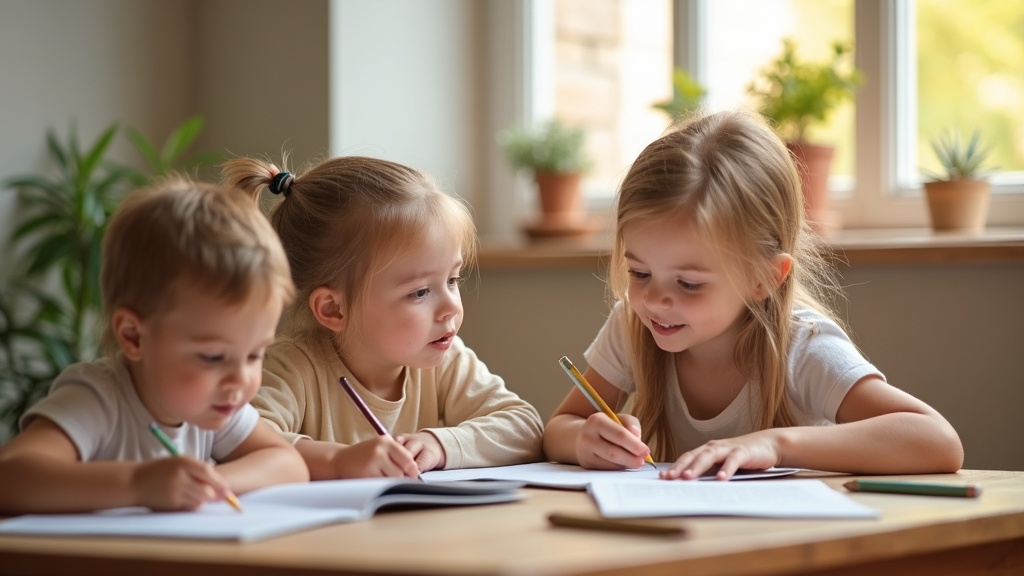
Primary 1 has short lessons, but they still require about 20 minutes of focused attention per subject. If your child fidgets constantly or can’t sit through a short activity, the transition may feel jarring.
Build concentration gradually. Start with activities your child enjoys (drawing, building blocks, puzzles) and gradually extend the time. Aim for 15–20 minutes of focused play by the end of P1 registration.
Limit screen time. This one’s hard, but it matters. Screens make sustained focus harder. The Ministry of Health recommends no more than one hour daily for children this age.
Create a calm environment for learning activities at home. A table, chair, and minimal distractions help.
Social and Emotional Skills
Your child will be in a classroom with 30+ other kids. She needs to share, take turns, and handle frustration without aggression or complete meltdown.
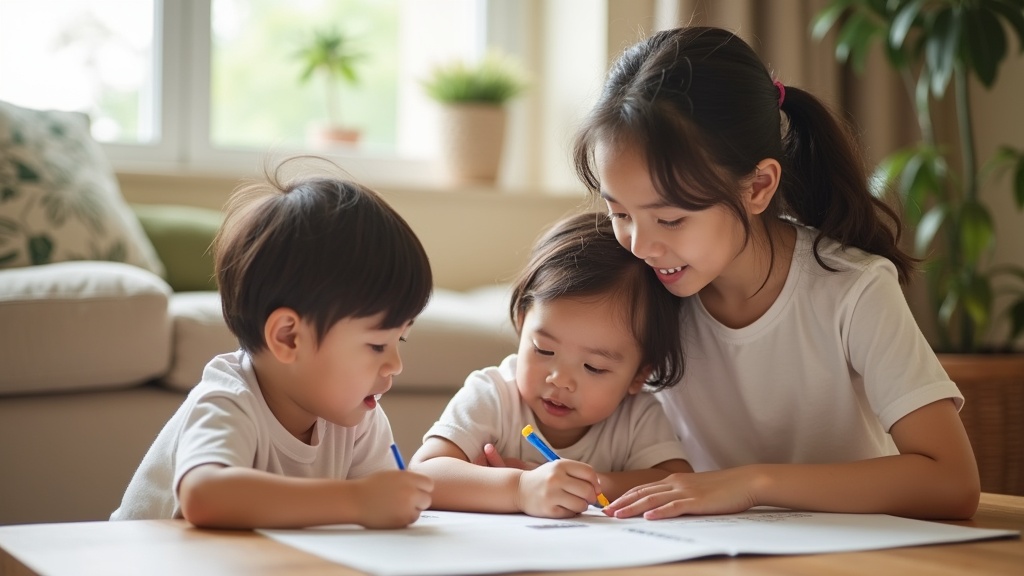
Practise turn-taking with siblings or during games. “You go, then I go.”
Teach simple conflict resolution. When conflicts arise (and they will), help her use words: “I don’t like that. Please stop.” Avoid always rescuing her from social discomfort; let her problem-solve with your guidance.
Normalise big feelings. Talk about emotions: happy, sad, angry, scared. Read books about feelings. When she’s upset, name it: “You’re feeling frustrated because the block tower fell.” This builds emotional literacy and self-awareness.
Encourage kindness and curiosity about others. “What do you think she’s feeling?” Simple questions deepen empathy.
Early Literacy and Numeracy Foundations
While schools don’t expect children to arrive reading, they do expect letter and number familiarity.
Know her name. Can she identify and write the first letter of her name? Can she recognise her name in print?
Letter and sound awareness. Sing alphabet songs, play with alphabet blocks, and point out letters in everyday life. Don’t drill; keep it playful.
Number sense. Count during daily activities: “Three apples, two bananas.” Play with numbers during games. Recognising numbers 1–10 is helpful.
Phonemic awareness. Listen for rhymes and initial sounds in words. This is not formal phonics—just play with how words sound.
The Practical Preparation Checklist
Here’s what to do in the months before Primary 1:
- Establish routines. Consistent sleep, meal, and activity times help regulate behaviour and mood.
- Visit the school together. Familiarity reduces anxiety. Point out where she’ll hang her bag, the classrooms, the field.
- Read books about starting school. Titles like “Starting School” by Emma Chichester Clark make the transition feel normal.
- Buy uniform and shoes early. Let her try them on and wear them at home so she’s comfortable.
- Practise the school route. Whether by car, bus, or foot, rehearse this a few times before term starts.
- Stop napping (if applicable). If she still naps, gradually shift to quiet time so the school day doesn’t feel exhausting.
- Schedule a play date. Meeting a classmate beforehand (if your school arranges this) builds confidence.
The Real Talk
Not every child will tick every box on this checklist by June. That’s okay. Schools expect a range of readiness levels, and teachers are trained to support children at different starting points. Your job isn’t to create a “perfect” Primary 1 student—it’s to give her a loving, consistent, language-rich environment where she feels secure.
The strongest predictor of school success isn’t whether your child can read or count. It’s whether she’s curious, feels safe, and has adults who believe in her.
Reflection for You
As you prepare your child, take a moment to check in with yourself too. Starting Primary 1 is a transition for parents as well. You’re trusting your child’s care and education to new adults. That’s big. Be kind to yourself if you feel nostalgic, anxious, or a bit lost. This phase passes, and your child will be so much more independent—which is exactly what we’re hoping for.
What’s your biggest concern about your child starting Primary 1? Share it in the comments below—you might find that other parents share it too, and together we can troubleshoot.
Bro Daddy
I am Bro Daddy!
Note
Disclaimer: The views expressed and the content shared in all published articles on this website are solely those of the respective authors, and they do not necessarily reflect the views of the author’s employer or the platform. We strive to ensure the accuracy and validity of the content published on our website. However, we cannot guarantee the absolute correctness or completeness of the information provided. It is the responsibility of the readers and users of this website to verify the accuracy and appropriateness of any information or opinions expressed within the articles. If you come across any content that you believe to be incorrect or invalid, please contact us immediately so that we can address the issue promptly.