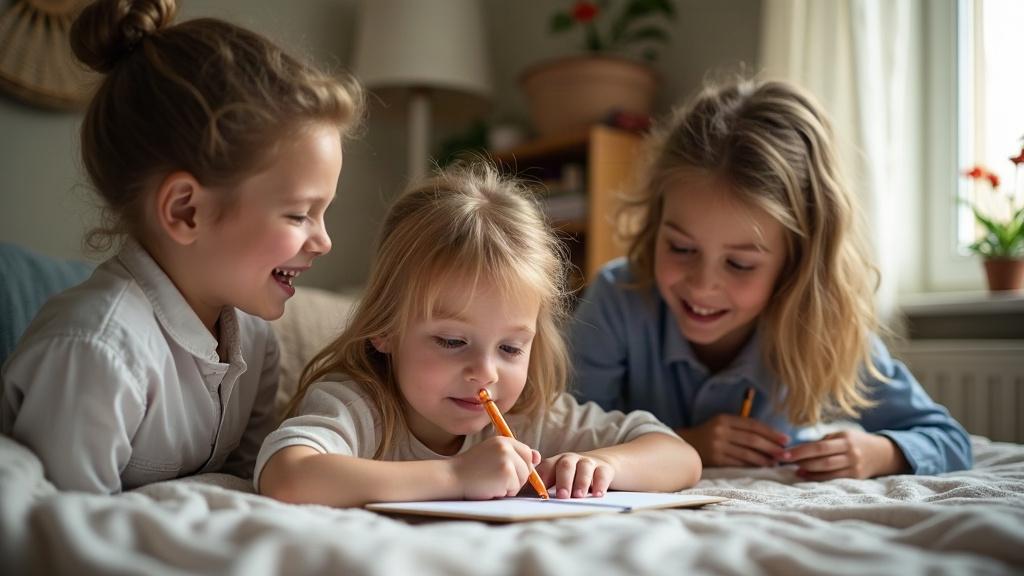
The transition from primary to secondary school isn’t just a change of uniform and building. It’s a full mental reboot. Your child—who used to tell you everything on the ride home—suddenly grunts at dinner. The kid who needed you for everything now insists on handling things alone. And just when you think you’ve figured out their mood, it shifts again.
If this sounds familiar, you’re not alone. And the good news? This shift isn’t a problem to fix. It’s a stage to understand and navigate together.
What’s Actually Happening in Their Brain
First, let’s talk biology. When kids hit their early teens, their brains are literally rewiring. The prefrontal cortex—the part responsible for impulse control, planning, and decision-making—doesn’t fully develop until the mid-20s. Meanwhile, their emotional limbic system is firing up at full throttle. This neurological mismatch explains why your otherwise sensible child makes baffling choices.
Secondary school amplifies this. Suddenly, they’re in a much larger environment with hundreds of peers instead of dozens. Their sense of self is developing rapidly, and part of that process involves separating from parental influence. This is healthy. But it feels like rejection.
They’re also becoming acutely aware of social hierarchies, and fitting in starts to matter—sometimes more than anything else. This isn’t vanity. It’s a normal part of identity formation.
The Emotional Rollercoaster Is Real
You’ve probably noticed the mood swings. Happy one moment, sullen the next. It’s not manipulative behaviour (usually). Their emotional regulation is genuinely still developing. Hormonal changes compound this, especially if your child is an early or late bloomer relative to peers.
Many secondary school students also experience genuine anxiety about academic pressure, social standing, and the future. Singapore’s education system, in particular, puts real weight on these early years—and kids feel that. They’re not making it up.
At the same time, they’re developing the ability to think abstractly. They can now question authority, see flaws in logic, and recognize that rules aren’t always fair. This is a sign of growing maturity, even when it manifests as frustrating challenges to everything you say.
The Four Biggest Mindset Shifts You’ll See
Independence above all else. They want to prove they don’t need you. This can look like refusing help, sulking when you offer advice, or insisting on doing things “their way” even when it’s inefficient. Don’t take it personally. They’re establishing autonomy.
Peer pressure becomes real. What classmates think suddenly outweighs what you think. They care deeply about fitting in, even if (or especially if) they claim they don’t. This drives choices about clothes, interests, friends, and sometimes risky behaviour.
Increased self-consciousness. They’re hyper-aware of how others perceive them. Embarrassment becomes a primary emotion. You asking them to help in a public setting? Mortifying. You waving at them in school? Crime against humanity.
Questioning everything. They’ll challenge your logic, point out hypocrisy, and demand explanations. “Because I said so” no longer works. This can be exhausting, but it’s a sign they’re thinking critically.
How to Stay Connected Without Hovering
Respect their growing autonomy. Let them make small decisions and mistakes. What they wear, how they organize their desk, which electives they choose (within reason)—these are safe places to practice independence. You staying back doesn’t mean disengaging.
Create low-pressure connection time. Car rides, cooking together, casual walks—these are gold. They’re low-stakes, side-by-side rather than face-to-face (which can feel confrontational), and require minimal eye contact. Teens are far more likely to open up this way than during a formal “we need to talk” conversation.
Listen more than you advise. When they share something, resist the urge to immediately solve it or launch into a lecture. Ask curious questions instead. “What do you think about that?” “How did that make you feel?” This keeps the door open. Giving unsolicited advice shuts it.
Acknowledge their emotions without dismissing them. “That sounds really stressful” is infinitely better than “You’re overreacting.” Even if you think something is small, to them it’s huge. Validating their feelings doesn’t mean you agree with their conclusions or actions.
Keep boundaries clear and consistent. Teens need structure even as they resist it. Knowing where you stand—what’s negotiable and what isn’t—actually feels safer than unclear rules. Be consistent. “Sometimes you can stay up late, sometimes you can’t” is maddening. “Weeknight curfew is 9 PM unless there’s a specific event” is clear.
Don’t weaponize disappointment. “I’m not angry, I’m just disappointed” might feel gentle, but it’s often experienced as harsh judgment. If you’re upset, own it calmly. “I’m frustrated because…” works better.
What You Can’t Control (And Shouldn’t Try)
Your teen’s taste in music, fashion, or hobbies might baffle you. That’s fine. The goal isn’t to maintain the parenting style that worked in primary school. It’s to evolve into a guide who respects their growing autonomy while maintaining safety boundaries.
You also can’t control peer relationships. You can listen, validate, and offer perspective—but ultimately, they’ll navigate friendships on their own terms. This is important for their social development.
The Long View
This phase doesn’t last forever. The moodiness, the distance, the questioning—it all serves a purpose. You’re watching your child develop into an independent person. It’s uncomfortable for both of you. But if you stay present, keep listening, and respect their growth, you’ll emerge on the other side with a stronger relationship. The kid who used to tell you everything might not share every detail anymore, but they’ll trust you with what matters.
Your job isn’t to be their best friend or to prevent every mistake. It’s to be steady, present, and genuinely interested in who they’re becoming.
What’s one change you’ve noticed in your child since they started secondary school?
Bro Daddy
I am Bro Daddy!
Note
Disclaimer: The views expressed and the content shared in all published articles on this website are solely those of the respective authors, and they do not necessarily reflect the views of the author’s employer or the platform. We strive to ensure the accuracy and validity of the content published on our website. However, we cannot guarantee the absolute correctness or completeness of the information provided. It is the responsibility of the readers and users of this website to verify the accuracy and appropriateness of any information or opinions expressed within the articles. If you come across any content that you believe to be incorrect or invalid, please contact us immediately so that we can address the issue promptly.