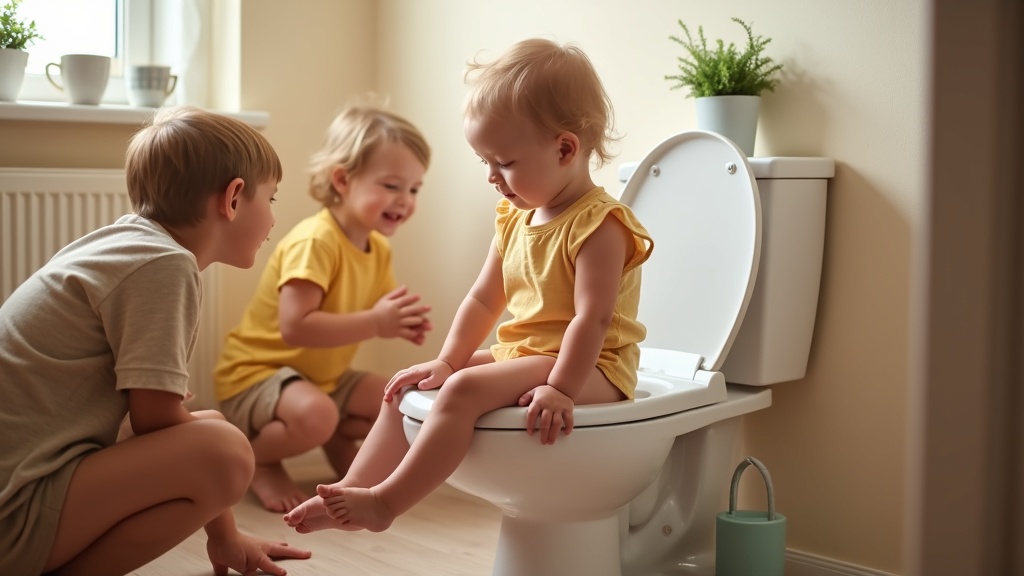
Toilet training is one of those parenting milestones that can feel either like a natural progression or a mountain to climb—depending on your child and your approach. If you’re staring at a cupboard full of nappies wondering when it all ends, you’re not alone. The good news? Most toddlers can learn toilet habits with patience, consistency, and the right strategies. Let’s break this down.
Signs Your Toddler Is Ready
Before you jump into toilet training, watch for readiness signs. There’s no magic age—every child is different. But generally, between 18 and 36 months, you might notice:
- Your child stays dry for at least two hours at a time
- They show interest in the bathroom or notice when they’re wet or dirty
- They can follow simple instructions
- They communicate when they need to go (even if it’s a grunt or a tug on your shirt)
- They show discomfort in soiled nappies
Starting before these signs appear often leads to frustration. There’s no prize for potty training at 18 months if your child isn’t ready. Wait for readiness, and the process becomes so much smoother.
Create a Routine, Not Pressure
Toddlers thrive on routine. Instead of forcing toilet time, make it part of the daily rhythm:
- Sit them on the potty or toilet seat (with a reducer, please—it’s terrifying for a small person) at consistent times: first thing in the morning, after meals, before bed, and before leaving the house.
- Keep these sessions short—5 minutes max. If nothing happens, that’s okay. No drama.
- Use a step stool so they feel stable and confident. Their feet should touch something solid.
The goal isn’t success every time. It’s normalising the idea that the toilet is where we go to do our business. Consistency builds that normalcy.
Make It Engaging (Without Bribing)
A small reward system can work—a sticker chart, a special song, or even just clapping and cheering. But be careful not to create a monster that expects a chocolate every time they wee. Here’s the balance:
- Celebrate effort and trying, not just success.
- Use praise that’s specific: “You sat on the potty like a big kid!” rather than vague approval.
- Transition away from rewards gradually as they get the hang of it.
Let them pick their own potty seat or special underwear (with their favourite character). Ownership makes them more invested. And honestly, a simple “Well done!” goes further than you’d think.
Books and Normalisation
Read books about using the toilet together. “Potty” by Leslie Patricelli or “Everyone Poops” by Taro Gomi are classics for a reason—they’re funny, matter-of-fact, and remove the mystery. Seeing other characters (real or illustrated) use the toilet makes it feel normal and achievable.
You can also let them watch you (yes, really). Seeing a parent use the toilet without shame or fear is incredibly powerful. Kids learn by observing, and this is one thing worth observing.
Accidents Happen (And That’s Fine)
This is crucial: accidents are part of the process, not failures. Your toddler isn’t being stubborn or naughty. Their brain is literally learning to recognise internal signals and control their muscles. That takes time.
When accidents happen:
- Stay calm. Seriously. Your frustration teaches them to feel shame around toileting, which backfires.
- Clean up matter-of-factly.
- Gently remind them: “Wee goes in the potty. Let’s try next time.”
- Don’t punish or mock. Ever.
Most children have accidents well into their third or fourth year. Night-time dryness especially takes longer—it’s a developmental milestone tied to deep sleep patterns, not maturity or willingness.
The Poo Resistance (It’s Real)
Many toddlers will happily wee in the toilet but absolutely refuse to poo. This is incredibly common and often frustrating for parents. Here’s why: pooing feels different—it’s a bigger physical sensation, and kids can feel like they’re losing part of themselves.
If this happens:
- Don’t force it. Let them use a nappy for poos if needed, even if they’re otherwise toilet trained.
- Gradually move the nappy closer to the toilet.
- Use books and normalisation to reduce anxiety.
- Some kids need their privacy—close the door or draw a curtain.
- Patience here is key. Most children eventually make the switch.
Dress for Success
Make toileting easy:
- Avoid complicated clothing. Skip the dungarees and onesies. Go for easy-off pants or pull-on shorts.
- Keep wipes, hand soap, and a step stool within reach.
- Have a portable potty seat or travel seat for outings so they feel secure anywhere.
- Stock up on waterproof mattress protectors for the bed. They’re a lifesaver.
Know When to Pause
If your child is stressed, or if you are, pause. Toilet training doesn’t have to happen in a sprint. If you’re entering a period of big change (moving house, new sibling, starting childcare), wait if you can. Timing matters.
Similarly, if your child regresses—suddenly having accidents after months of success—that’s usually a sign something’s up (stress, infection, change in routine). Address the underlying issue rather than punishing the accident.
What We Know Works
Research from the American Academy of Pediatrics suggests that child-led, positive approaches with no punishment work best. A study published in Pediatrics found that pressuring children actually delays toilet training. The sweet spot? Low-pressure, patient, routine-based approaches with celebrations for effort.
Your job isn’t to force your child to grow up. It’s to create an environment where they feel safe trying something new.
Final Thoughts
Toilet training is a marathon, not a sprint. Some children take to it in weeks; others need months. Both are completely normal. You’re not failing if your three-year-old still wears nappies at night. You’re not behind if your friend’s child trained earlier. Every child’s timeline is their own.
Trust your child’s readiness, stay patient with accidents, and remember: this too shall pass. One day—sooner than you think—you’ll realise you haven’t bought a nappy in months.
What’s been your biggest toilet training challenge so far? Drop a comment below—we’d love to hear your story and support each other through this milestone.

Bro Daddy
I am Bro Daddy!
Note
Disclaimer: The views expressed and the content shared in all published articles on this website are solely those of the respective authors, and they do not necessarily reflect the views of the author’s employer or the platform. We strive to ensure the accuracy and validity of the content published on our website. However, we cannot guarantee the absolute correctness or completeness of the information provided. It is the responsibility of the readers and users of this website to verify the accuracy and appropriateness of any information or opinions expressed within the articles. If you come across any content that you believe to be incorrect or invalid, please contact us immediately so that we can address the issue promptly.