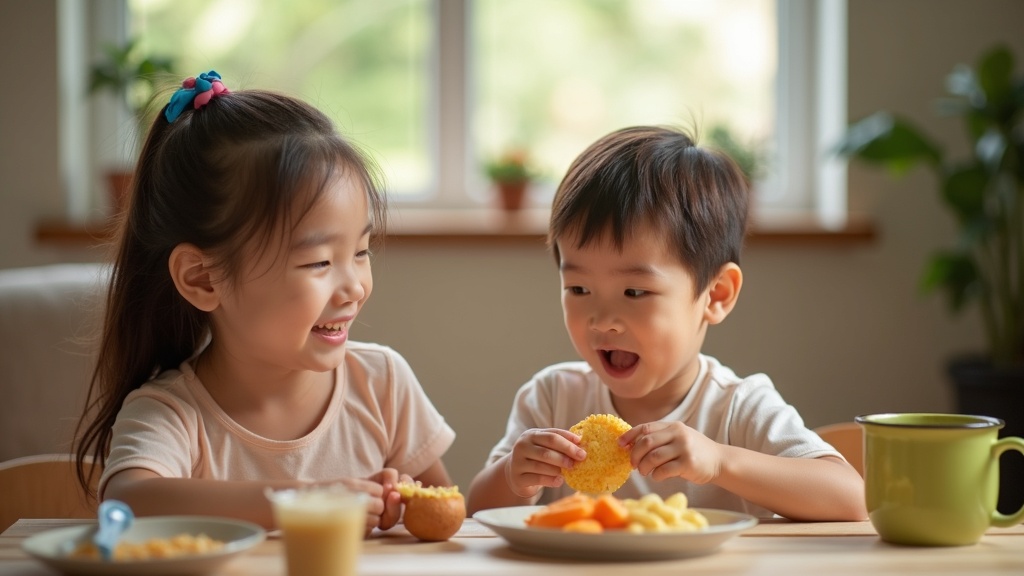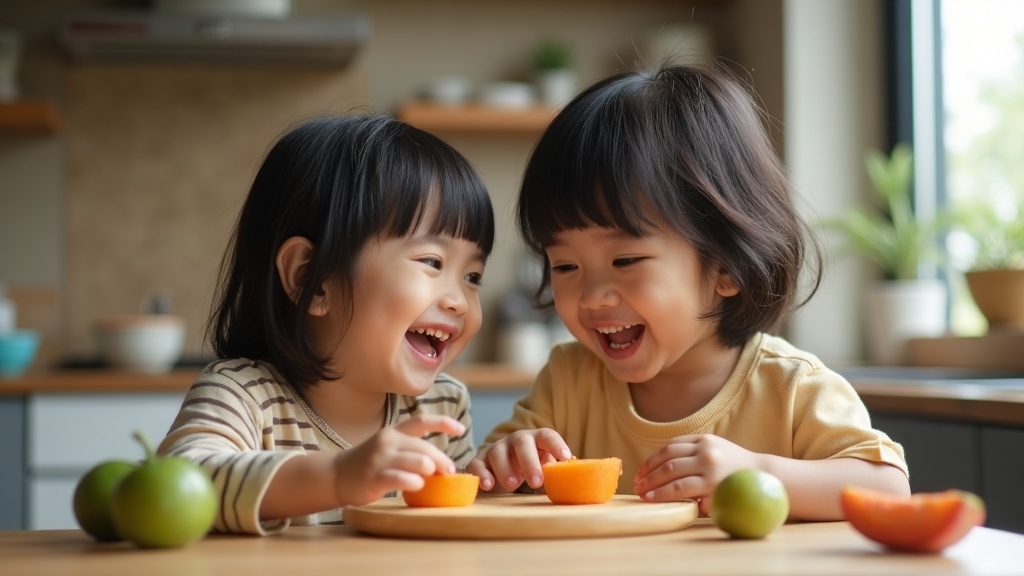
Iron deficiency is one of the most common nutritional concerns for toddlers worldwide, and Southeast Asia is no exception. If your child seems unusually tired, pale, or less interested in play, low iron might be the culprit. The good news? You don’t need to rely on fortified cereals or supplements alone. Your local market is already stocked with affordable, delicious iron sources that toddlers genuinely enjoy. Let’s walk through what you need to know and which real foods actually work.
Why Iron Matters for Your Toddler
Toddlers aged 1–3 years need about 7 mg of iron daily—more per pound of body weight than adults. Iron helps build blood cells, carry oxygen, and support brain development. Without enough, your child may struggle with focus, energy, and growth.
There are two types of iron: heme iron (from meat and fish, absorbed more easily) and non-heme iron (from plants, absorbed less efficiently but still valuable). Southeast Asian diets naturally include both, so you’ve got options.
Local Iron-Rich Foods Your Toddler Will Actually Eat
Meat and Seafood
Red meat is iron-rich, but if your family doesn’t eat it regularly, don’t stress. Chicken liver, which is affordable and available at wet markets across the region, contains nearly 12 mg of iron per 100g—far exceeding toddler needs. A small portion mixed into rice or soft noodles goes unnoticed. Similarly, canned or fresh fish like anchovies (ikan bilis) and mackerel pack both iron and omega-3s. Serve soft, flaked fish mixed with rice or porridge.
Prawn and crab are lighter in iron but still contribute. If your toddler enjoys these, keep serving them as part of a varied diet.
Legumes and Plant-Based Sources
Lentils, chickpeas, and kidney beans are staples across Southeast Asia. Red lentil dhal, common in many households, contains 3–4 mg of iron per cooked cup. The bonus: lentils are softer and easier to mash for younger toddlers than many other legumes. Mung beans (used in desserts and savoury dishes) and black-eyed peas also work well.
Tofu and tempeh, if your family uses them, provide plant-based iron. Tempeh especially has a firmer texture that toddlers can grip as finger food.
Leafy Greens and Vegetables
Spinach, kale, and water spinach (kangkung) are iron-rich, though the absorption rate is lower due to compounds like oxalates. The trick: pair them with vitamin C. A simple stir-fry of kangkung with a splash of lime juice, or spinach mixed into a tomato-based dish, boosts absorption significantly. Don’t stress if your toddler won’t eat a whole portion—every bit helps.
Other vegetables like pumpkin, sweet potato, and beetroot contribute iron plus fibre and vitamins.
Fruits Rich in Vitamin C
While not iron sources themselves, tropical fruits like papaya, mango, orange, and guava are iron-absorption boosters. A snack of fresh papaya after a meat-based lunch genuinely helps your toddler’s body absorb more iron from the meal. It’s not a hard science, but the pairing is practical and delicious.
Practical Tips for Feeding Your Toddler Iron-Rich Foods
Start Small and Mix It In
Toddlers are notoriously suspicious of new foods. Instead of serving liver alone, mix finely minced chicken liver into familiar dishes: rice porridge, soft noodles, or meatballs. A tablespoon counts. You’re building tolerance, not forcing a plate.
Combine Iron Sources Throughout the Day
You don’t need every meal to be iron-packed. A breakfast of eggs (which contain iron), a lunch with some legume-based dish, and a dinner with fish or meat spreads iron intake naturally across the day and mimics how many Southeast Asian families already eat.
Timing Matters
Avoid giving iron-rich foods with calcium-rich foods (like milk) in the same meal, as calcium can inhibit absorption. Space them out by at least an hour. This isn’t strict science for toddlers, but it’s a gentle guideline.
Cook Smartly
Cast iron pans and woks can contribute small amounts of dietary iron, especially when cooking acidic foods like tomatoes. It’s a tiny bonus, but it adds up over time.
Signs Your Toddler May Need More Iron
If your child shows persistent fatigue, pale skin, difficulty concentrating, or slower growth, chat with your paediatrician. A simple blood test confirms iron status. Southeast Asian health systems generally make this accessible and affordable. Trust your instinct—you know your child best.
When Supplements Make Sense
If your toddler has diagnosed iron deficiency or is a very picky eater despite your efforts, liquid iron supplements (prescribed by a doctor) are safe and effective. They taste a bit metallic, but can be mixed into apple juice or porridge. This isn’t failure; it’s smart parenting.
Final Thought
Iron intake doesn’t require special foods or expensive products. It requires consistency and a little creativity. The foods already in your pantry—lentils, leafy greens, liver, fish, eggs—are doing the work. Keep offering, keep pairing, and trust that your toddler’s body is absorbing more than you think.
What iron-rich foods does your toddler already enjoy? Share your family wins in the comments—we’d love to hear what’s working in your kitchen.

Bro Daddy
I am Bro Daddy!
Note
Disclaimer: The views expressed and the content shared in all published articles on this website are solely those of the respective authors, and they do not necessarily reflect the views of the author’s employer or the platform. We strive to ensure the accuracy and validity of the content published on our website. However, we cannot guarantee the absolute correctness or completeness of the information provided. It is the responsibility of the readers and users of this website to verify the accuracy and appropriateness of any information or opinions expressed within the articles. If you come across any content that you believe to be incorrect or invalid, please contact us immediately so that we can address the issue promptly.