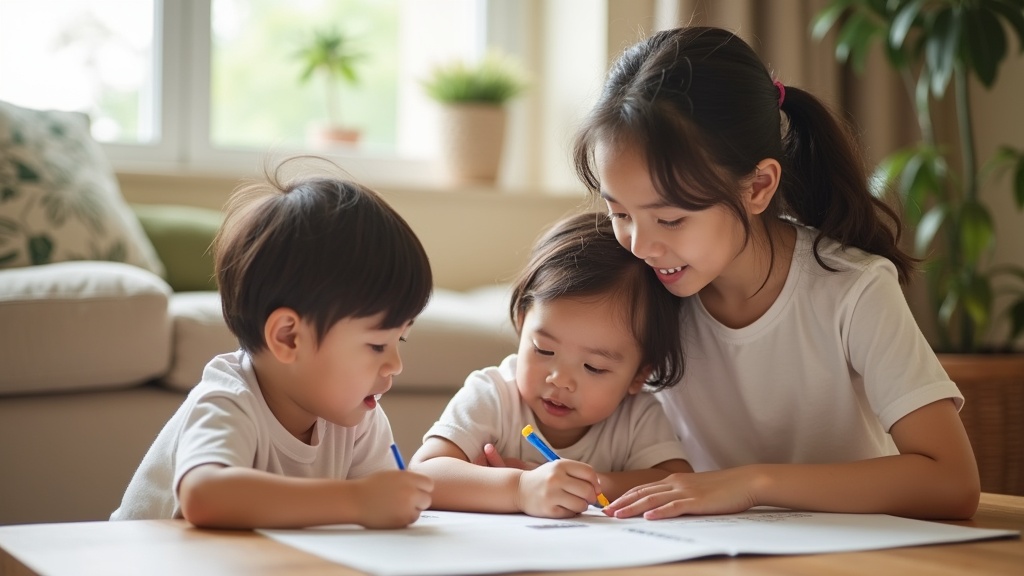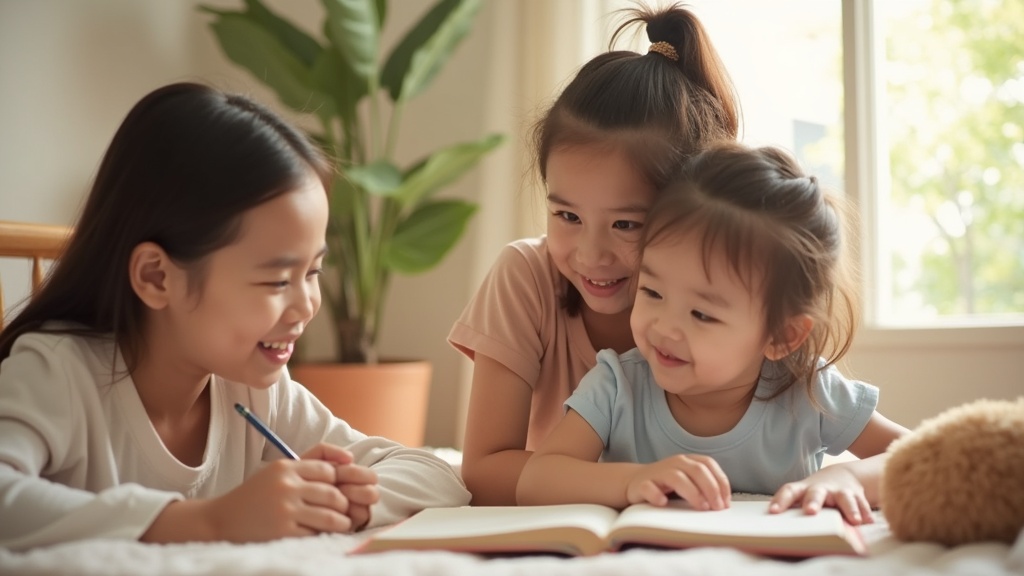
The moment your child gets their Primary 1 posting letter is both exciting and terrifying, right? You’re thrilled they’re moving up, but suddenly there’s a mountain of things to sort out—uniforms, booklists, the emotional stuff, and a hundred tiny details you hadn’t even thought about. After talking to parents across Singapore, I’ve put together a practical checklist that covers everything you actually need to do (and yes, some things you don’t need to stress about).
The Admin Checklist: Get It Done Early
Let’s handle the paperwork and logistics first, because these are the items with actual deadlines.
School registration and documentation. You’ll have received your child’s Primary 1 posting. Get all required documents ready immediately: birth certificate, immunisation records, and the parent/guardian identification (passport or NRIC). Schools usually ask for these during registration. Call ahead to confirm which documents you need—different schools sometimes have slightly different requirements.
Uniform and shoes. Most schools have designated uniform suppliers. Order early—June and July get hectic, and sizes run out. Your child will likely outgrow their shoes within a term, so don’t buy ten pairs at once. Buy one or two pairs now and another set later. Measure your child’s feet at the shop, not at home. Wet shoes (from puddles and sweaty feet) can shrink, so buy slightly larger than you think.
Books and stationery. The booklist will come from school. You don’t need to buy everything before Day 1—honestly, teachers usually give you a week or two to gather things. That said, getting basics like pencils, erasers, and a pencil case sorted takes pressure off the first week. Skip the fancy stationery; simple works best.
School bag and lunch box. A small backpack works fine for Primary 1. Make sure it has two straps (not one shoulder bag) to distribute weight evenly. Get a lunch box your child can open themselves—don’t assume they’ll ask for help at school.
The Practical Prep: Setting Your Child Up for Success
These aren’t official requirements, but they matter.
Practice the school commute. If your child is taking public transport or walking, do a dry run. Let them practise getting on the bus, finding the school, and walking to their classroom. Familiarity reduces anxiety. If you’re driving, show them the carpark and walk into the gates together a few times. The school might hold an orientation session—go to it.
Label everything. Seriously. Water bottles, lunch boxes, extra clothes, shoes—put their name in permanent marker. Schools have lost-and-found mountains. Your child might not even realise when something goes missing, so labelling helps it find its way home.
Teach basic independence skills. Can your child open their lunch box? Use the toilet alone (and wipe)? Zip up their bag? Drink from a water bottle without spilling? Ask the toilet-opening thing directly—some Primary 1 kids still need help, and that’s okay, but knowing beforehand helps teachers support them better. Practice tying shoelaces if needed, though many schools accept velcro shoes.
Establish a consistent bedtime. This is huge. Start gradually shifting bedtime earlier about two weeks before school starts. Primary 1 days are long and full—a tired child is an overwhelmed child. Aim for 8–8:30 p.m. bedtime, which means waking around 6:30–7 a.m.
The Emotional Prep: What Actually Matters
This is where real transition happens.
Read books about starting school. There are wonderful picture books like “The Kissing Hand” or “Llama Llama Misses Mama” that normalise the feelings of separation and excitement. Reading these together opens conversations naturally. Your child might not verbally tell you they’re worried, but they’ll tell the llama.
Talk positively, but honestly. Don’t oversell it (“School is SO MUCH FUN!” can create pressure) and don’t downplay it (“Oh, it’s nothing”). Try: “School is a new adventure. You’ll have a teacher who helps you learn cool things and make new friends. Some days will feel easy, and some might feel hard. That’s normal.”
Visit the school. Many schools have open houses or allow parents to visit. Walk around, see where the toilet is, look at the classroom. Let your child get their bearings. Familiarity is your friend.
Manage separation gradually. If your child is used to being with you all day, a sudden eight-hour separation is big. If your child attends preschool already, you’re ahead. If not, consider arranging playdates or short sessions at childcare in the months before P1 starts. It’s not essential, but it helps.
Don’t slip into bribery. Avoid “If you go to school without crying, you get a toy.” This makes going to school feel like something to be rewarded for avoiding—it plants the idea that school is unpleasant. Instead, normalise it: “You’ll go to school. It’s what big kids do.”
The First Week: What To Expect
Most schools have a staggered entry in the first week—shorter days, smaller groups, gentler settling in. Your child might cry; many do. Teachers expect this. It usually passes in the first 1–2 weeks. Coming home and immediately talking about “sad feelings” can extend the emotional processing. Instead, keep it light: “You went to school today. What did you play?” Save the deeper conversations for later.
Send a comfort item if the school allows it—a small photo, a familiar toy, something that smells like home. Some kids don’t need it; some do. Ask the teacher what helps.
One Thing You Can Actually Skip
Don’t stress about academic readiness. Your child doesn’t need to read or do maths before Primary 1. Schools teach these things. What they need is curiosity, the ability to listen, and basic self-care skills. If your child loves books or numbers, great—but don’t feel you must prep them academically.
Your Reflection
As you tick off this checklist, remember: your calm is contagious. If you’re anxious, your child picks up on it. A few things won’t go perfectly in the first few weeks, and that’s completely normal. You’re doing this right.
What’s been your biggest concern about your child starting Primary 1? Drop it in the comments—you’re definitely not the only one thinking it.
Bro Daddy
I am Bro Daddy!
Note
Disclaimer: The views expressed and the content shared in all published articles on this website are solely those of the respective authors, and they do not necessarily reflect the views of the author’s employer or the platform. We strive to ensure the accuracy and validity of the content published on our website. However, we cannot guarantee the absolute correctness or completeness of the information provided. It is the responsibility of the readers and users of this website to verify the accuracy and appropriateness of any information or opinions expressed within the articles. If you come across any content that you believe to be incorrect or invalid, please contact us immediately so that we can address the issue promptly.